
Dynamic pricing for tickets means an algorithm adjusts the price in real time based on demand, not a human deciding tiers in advance. The immediate effect on you as a fan: the price you see today may be different from the price your friend saw an hour ago, and for a hot show, it usually climbs as tickets sell out. Understanding the mechanics behind it, and where regulators are pushing back, is the fastest way to stop overpaying.
TL;DR:
- Dynamic ticket prices adjust in real time based on demand signals such as sales velocity, remaining inventory, and external factors, causing prices to fluctuate frequently.
- Repricing events are most impactful early in sales when algorithms learn demand patterns, but micro-adjustments near the event usually add little value beyond initial boosts.
- Promoters aim to recapture revenue lost to scalpers by using dynamic pricing, which research shows can increase revenue by approximately 8 percent on average.
- Different fans see different prices for the same seat due to timing, device data, fee layering, and resale market reactions, contributing to widespread price variability.
- To avoid overpaying, fans should buy during pre-sales, set price alerts, compare in incognito mode, and look for transparent sellers with guarantees like Capital City Tickets.
Table of Contents
- How Does Dynamic Pricing Work for Event Tickets?
- Why Do Promoters and Venues Use Dynamic Pricing?
- Why Do Two Fans See Different Prices for the Same Seat?
- What Are the Biggest Controversies Around Ticket Pricing?
- How Can You Avoid Overpaying With Dynamic Pricing?
- Where Capital City Tickets Fits Into the Picture
- The Honest Tradeoff Behind Dynamic Pricing
- Find Fairly Priced Seats Without the Pricing Guesswork
- Sources
- FAQ
How Does Dynamic Pricing Work for Event Tickets?
Dynamic pricing and variable pricing get lumped together, but they're not the same thing. Variable pricing sets fixed tiers in advance, say, a higher price for Friday games than Tuesday ones. Dynamic pricing recalculates continuously, feeding live signals into an algorithm that reprices inventory hour by hour or even minute by minute, according to academic work on pricing models used by professional sports teams.
The system usually watches for:
- Sales velocity, how fast seats in a given section are moving
- Remaining inventory relative to time left before the show
- Page views and search volume for that specific event
- External triggers, like a viral moment, a new single, or a tour announcement
- Competing resale prices for the same seats
Early sales act as a signal the algorithm uses to correct its own assumptions. If a show sells faster than expected in the first hour, the model raises prices for what's left. That's "demand learning," and it's genuinely useful when the original price was a guess. It also explains the deadline effect fans notice: prices tend to drift upward as an event approaches, because unsold inventory becomes scarcer and each remaining seat carries more information about true demand.
There's a ceiling on how much good this does, though. Repricing every few minutes adds little beyond what a few well-timed adjustments already capture, especially when a large share of tickets sell in a late rush anyway. Constant micro-adjustments mostly just make the price harder for shoppers to predict.

Why Do Promoters and Venues Use Dynamic Pricing?
The business case is straightforward: recapture value that would otherwise flow to scalpers and resale platforms. If a venue prices every seat at a flat rate and the show sells out in minutes, that gap between face value and what resellers charge becomes pure profit for someone who never touched the artist's production budget. Dynamic pricing tries to close that gap at the source.
Combining price flexibility with demand learning produces an average revenue increase of roughly 8.15% compared to static pricing models, according to research out of Yale's School of Management.
That's not a marginal number for an industry running on thin margins per event. Pilot programs back it up with real-world texture: modeling work built with NFL data shows organizations can optimize expected revenue and pull more of that lost secondary-market value back into the primary sale. Studies of MLB and NFL variable pricing find modest per-game gains that add up over a season, with the largest effects when a league has a wide range of opponent quality, meaning some games are genuinely more in demand than others. Pricing decisions also weigh what happens beyond the ticket. Raise prices too aggressively and you can dent concession and parking spending, so some pricing models account for that complementary revenue rather than optimizing the ticket price in isolation.
Why Do Two Fans See Different Prices for the Same Seat?
This is the part that frustrates people the most, and it's not your imagination. The same listing can genuinely cost different amounts depending on who's looking, when, and how.
- Timing matters more than most fans realize; the algorithm reprices based on sales pace, so an hour can change the number.
- Device and session data can factor into what price loads for you, and platforms don't always disclose that clearly.
- Fees get layered differently across sessions, which compounds any base-price difference into a bigger gap by checkout.
- Resale markets react to primary-market dynamic pricing too, shifting what a scalped seat is worth once the "official" price moves.
An experiment run on StubHub documented real, measurable price differences for the identical listing depending on timing and conditions, not just inventory changes. Research on consumer reaction suggests fans are fairly forgiving of this system when it works in their favor. People generally accept lower prices for a less attractive matchup or a weaker tour date without complaint. The backlash shows up specifically at the high end, when a blockbuster show prices ordinary fans out entirely, which is exactly the scenario that turned into a public relations problem for the industry in the past few years.
What Are the Biggest Controversies Around Ticket Pricing?
Regulators and artists have both pushed back, and for different reasons.
- The FTC's surveillance pricing study found a wide range of personal data gets used to set individualized prices across industries, ticketing included, raising questions about transparency.
- The Department of Justice has pursued enforcement action targeting dominant players in ticketing and live events, part of a broader look at how pricing power gets exercised in the market.
- Several artists have publicly refused dynamic pricing on their tours after fan backlash, choosing flat pricing instead even when it likely costs them revenue.
What regulators tend to focus on isn't dynamic pricing itself; it's whether fans know it's happening and whether individualized pricing crosses into deceptive territory. Disclosure, not the algorithm, is the real fight.
How Can You Avoid Overpaying With Dynamic Pricing?
You can't opt out of dynamic pricing, but you can time your purchase and shop smarter to blunt its effect.
- Buy during presales or through fan club access windows, when pricing is often set before demand data kicks in.
- Set price alerts on multiple platforms so you catch a dip rather than checking manually and missing it.
- Compare prices in a regular browser window versus incognito mode; session-based pricing sometimes shows different numbers.
- Read the fee breakdown before checkout. A lower sticker price with high fees can cost more than a higher price with fewer add-ons.
- Decide in advance whether you're an early buyer or a last-minute gambler; waiting sometimes pays off for lower-demand shows and rarely pays off for sellouts.
Pro Tip: Stack your best move with a verified-seller guarantee. Combining a promo code with a platform that backs its tickets against fraud closes off the two biggest ways fans get burned: bad pricing and bad sellers.
Where Capital City Tickets Fits Into the Picture
Capitalcitytickets has spent more than 20 years helping fans find concert, sports, and theater tickets without the guesswork that comes with algorithmic pricing swings.
Filtering by city, venue, date, and category lets you compare options fast instead of refreshing one listing hoping the price drops. Promo codes and a nationwide inventory, from arena tours down to a smaller venue show, give fans more than one lever to pull against surge pricing..
The Honest Tradeoff Behind Dynamic Pricing
Dynamic pricing makes business sense; recapturing value that otherwise goes to scalpers is a rational move for anyone selling a finite number of seats. But the industry owes fans clearer disclosure about when and why a price moved. Until that's standard, your best defense is knowing the tactics above and using a platform that's upfront about what you're paying and why.
— The.
Find Fairly Priced Seats Without the Pricing Guesswork
Capitalcitytickets is the practical alternative when you're tired of watching a price climb every time you refresh the page. Instead of chasing an algorithm, you search by city, venue, date, or genre, apply a promo code, and buy knowing every ticket carries a 100% guarantee on authenticity and delivery.
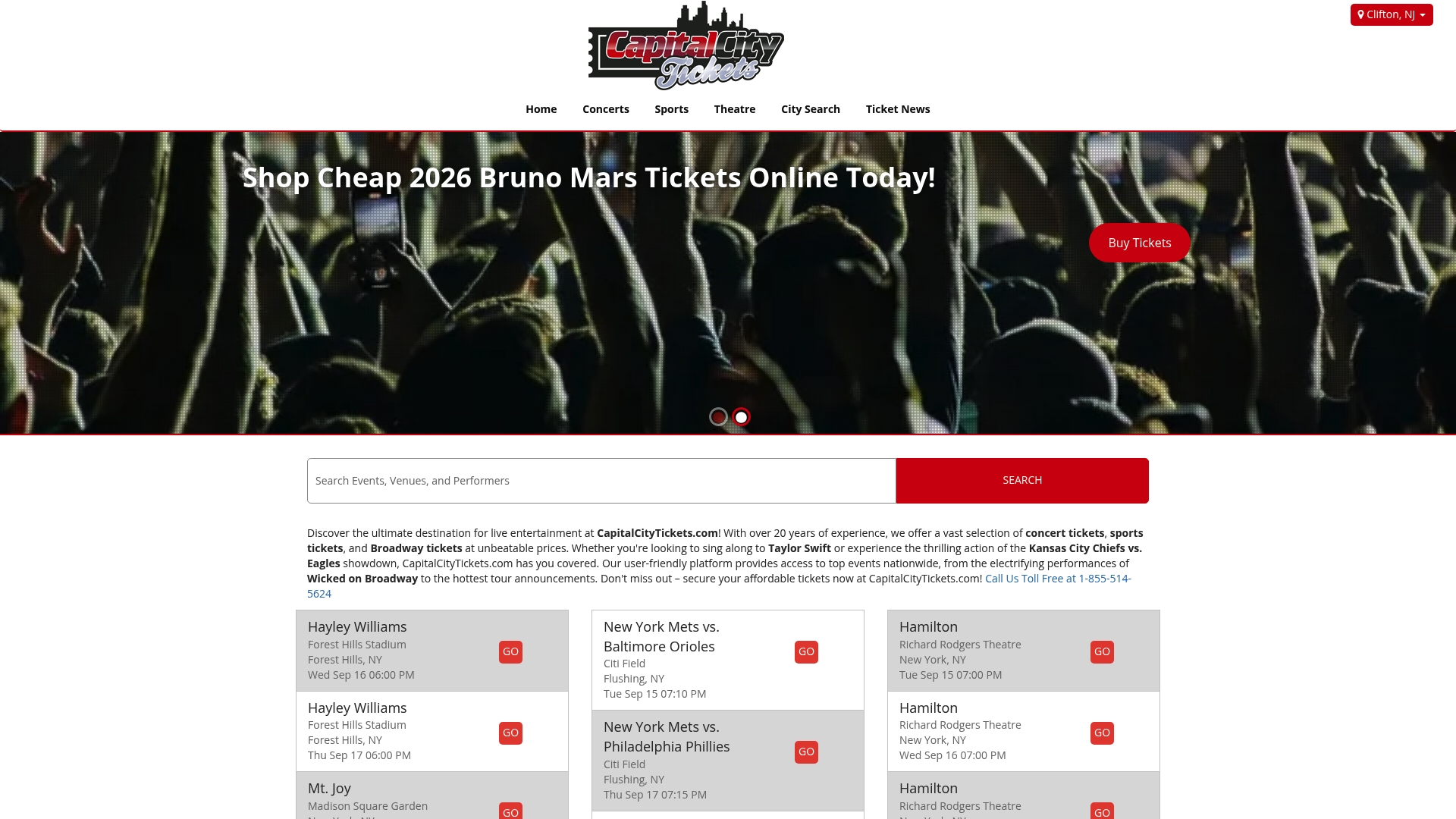
That guarantee matters more than it sounds. It means the risk of a bad seller or a fake ticket, the kind of thing that makes surge pricing feel even riskier, is off the table before you check out. Browse concert tickets for a tour you've been tracking, or check sports tickets if a game is more your speed. Either way, start your search now and lock in a seat before demand pushes the price higher.
Sources
- Yale School of Management — Clearing costs: justifying dynamic pricing
- AMA proceedings (Kennesaw) — dynamic vs variable pricing examples
- FTC — surveillance pricing study (2025)
- Business Insider — StubHub dynamic pricing experiment (2026)
FAQ
How does dynamic pricing work for tickets?
An algorithm continuously adjusts prices based on live demand signals like sales speed, remaining inventory, and time left before the event, rather than using a fixed price set in advance.
How can I avoid Ticketmaster's dynamic pricing?
Buy during presales or fan club windows before general demand data kicks in, compare prices across browsers, and set alerts so you can act quickly when prices dip rather than checking sporadically.
Why is dynamic pricing allowed for concert tickets?
There's no law banning algorithmic pricing itself; regulators like the FTC are focused on whether individualized pricing practices are disclosed clearly enough for consumers to understand what's happening, not on banning the practice outright.
How do I avoid dynamic pricing on flights the way I would for concerts?
The same core tactics apply: book early before demand data accumulates, compare prices in incognito mode to sidestep session based pricing, and set fare alerts rather than repeatedly searching the same route.
Does Capital City Tickets use dynamic pricing?
Capitalcitytickets focuses on giving fans a straightforward search experience with promo codes and a 100% guarantee on authenticity and delivery, rather than pricing built around unpredictable algorithmic swings.